Showing posts with label 2018-10. Show all posts

Slow cooked whole cepes


Slow cooked whole cepes


Usually I will simply cut cepes into slices, sear in olive oil, sprinkle salt and serve. But when there are medium size ones that are not attacked by slug at all, I like to cut them into halves to cook slowly in butter. Being thicker, it is better to appreciate the flavor and texture of cepes.

1. Clean cepes and cut into halves, place them cut side down into pan, put ample quantity of butter and season with salt, cover with lid and cook at medium low heat.

2. After sizzling for a few minutes, turn over and gently cook the other side for a few more minutes, repeat turning over always with the lid on, until soft and both sides golden.

Roast scallop


scallop


This is my favourite winter shellfish in France, from north west Atlantic coast, the scallop is big, white, and firm. 

roast scallop

Open scallops and remove guts, dry well, drizzle a little olive oil, sprinkle a little salt, bake at 220˚C for 8 minutes.

Cepes

2kg cepes


When there are cars parked at odd places in the countryside, where there is no house around, you know that it is time to look for cepes. 
Spent a whole morning searching in the mountain behind a friend's house where he knows the spots to look for. His whole family is out everyday to get whatever that has popped up. Got 2 kg.
3kg cepes
Then went to the nearby hill for a stroll, easily got 3kg within an hour, it is all about timing. 

 
searing cepse

seared cepse

1. Rub clean and cut away sandy bottom, cut into 1/2 cm slices.
2. In a frying pan with olive oil, sear at medium heat until edges slightly golden, sprinkle salt on top.

quick seared cepes for freezing

A simple way to preserve them is to take them out half way in the cooking, place on baking paper, roll up and freeze.

Fermented Jerusalem artichoke


I have prepared roasted Jerusalem artichokes for a few meals, the taste is mild, only the nearly crispy skin is interesting. The problem is this pre-biotic vegetable is famous for causing a lot of gas. On searching the internet, learned that fermenting it is the way to deal with this issue. 
 Jerusalem artichoke

1. Scrub clean, cut into 1/2cm thick slices, together with thin slices of ginger and garlic (optional) season with 1.5% its weight of salt and 1% of brown sugar, mix well and rest until juice comes out, around 3 hours. 
 Jerusalem artichoke

2. Pack artichoke and juice in a clean jar, cover with brine (1.5% salt and 1% brown sugar).
3. Cover the opening with cling film, the whole bottle in a bag to keep light out, keep at room temperature, bubbles will form the next day. 

Fermented Jerusalem artichoke

4. Check the taste and when sour enough (around a week), cover with lid and keep in the fridge.

Baked vegetable


Spent the week clearing the vegetable plot, dug out all root vegetables that are ready, parsnip, orange and purple sweet potato and Jerusalem artichoke. 
 
2 Jerusalem artichoke plants that have finished flowering

Jerusalem artichoke from 2 plants


The organic cow farmer who cut the grass on our land for feeding his cows in the winter, returned a few tons of old manure. This is being mixed into the plot to enrich the soil and improves texture for the next veg season. 

 
purple sweet potato

 
orange sweet potato
It is great to make a simple baked vegetable dish that has all the various seasonal harvest (parsnip, orange and purple sweet potato, Jerusalem artichoke, butternut squash, pear and garlic) beautiful colours, no need any seasoning as each vegetable has their own unique flavor. Pear gives a juicy sweet sour taste, a good contrast to starchy vegetables.

 
Baked vegetable
1. Cut vegetables into chunks. Shake vegetables in a big bowl with some olive oil, bake at 170˚C for 45 minutes, until soft and edges slightly golden.
2. Mix fresh herb (parsley, basil, coriander, chive etc) with salt and olive oil for a couple of hours to soften. 

 
Baked vegetable
3. Place baked vegetable in a dish and place herbs on top for decoration and extra flavor.

Amuse bouche


In the recent dinner party, after serving freshly baked bread with bright green freshly pressed olive oil from Croatia, I served this amuse bouche to clear the palette before having starter. It is water melon with curry cocomus, sweet and juicy in the middle while the outside is creamy and slightly spicy.


Amuse bouche- water melon with curry cocomus


1. Cut water melon into cubes, keep cold in the fridge.

2. Warm up cocomus (whole coconut blended into a paste) slightly until just turned soft, season with salt and curry powder.

3. Use a tooth pick to hold a watermelon cube, dip into cocomus, place on baking paper to solidity, may need two dipping to get a thicker coating.

Salad with seasonal fruits


Persimmon is just right to eat, firm and sweet, physalis is sweet and sour, beef tomato, the last one from the garden, is juicy soft and sweet, great contrast in both flavor and texture. 

Salad with seasonal fruits

Together with soybean (from the freezer), it is a perfect starter for my vegetarian friends. For those that eat everything, I serve some mackerel cooked in olive oil in a preserving jar in spring.  

Salad with seasonal fruits with mackerel

1. Roughly mince basil and pine nut, season with salt and olive oil. When roughly cut and not blended, it is easier to taste both ingredients. Mix with cooked soybean. 

2. Cut persimmon into strips, physalis into halves, mix with basil, salt and olive oil, then place on top of beef tomato, cut into big cubes. This way without mixing the tomato, juice will not run out. 
Butternut squash bake


Harvested a few small size butternut squashes, just right to make a quiche like baked dish for vegetarians friends.

Butternut squash bake


1. Cut butternut squash into halves vertically, shave off the backside so that they sit stable horizontally. Bake at 180˚C for 30 minutes until soft.
2. Make a mixture of crushed nuts, sesame, and herbs like parsley, season with salt and oil. 

Butternut squash bake before baking

3. Scoop out some of the middle of butternut squash to put the nut filling inside, add cubes of cheese on top. Bake at 180˚C for 15 minutes until cheese melted.


White tuna with dark miso


White tuna with dark miso


Spread dark miso (diluted with rice wine) on all sides of tuna steak, rest for a few hours. The colour of miso makes the tuna a lot more pleasing after short cooking, also flavor the fish lightly.  

White tuna with dark miso, before cooking

Tagine of mince pork and fennel rice

 
As temperature drops, it is nice to have comfort food like clay pot rice with minced pork. I used tagine to prepare the dish instead, much simpler to bake in the oven.


Tagine mince pork and fennel rice

1. Wash rice and add 1.5 its volume of boiling water in a tagine, with lid on, bake at 180˚C for 25 minutes.

mince pork with fennel and carrot


2. While baking, season minced pork with salt, pepper and rice wine, add chopped up fennel leaves and carrot for flavor and colour. Place on baking paper and flatten evenly into a round disc smaller than that of the tagine. 


3. After baking rice for 25 minutes, place the disc of minced pork on top, bake for another 10 minutes, then rest in oven with door open for another 5 minutes.

Winter fruits, Feijoa and Persimmon


persimmon


The fruits on these two trees mature in winter, coming up very soon now, both need to be slightly soft when they are ready to eat. The colour of persimmon is so pleasant in a cloudy winter day. 

Feijoa


Raw seafood - Restaurant Romolo Amarea


Found this restaurant in Bordighera, Italy, right on the beach. What a surprise when I looked at the board for daily specials. This is so far the best fresh raw seafood meal I have eaten in Europe, good both in terms of quality and quantity offered, and at reasonable price, what a happy evening.

Raw red tuna, palamita, cod, and small prawns, fish eggs, served with wasabi, soy sauce, red pepper sauce and pickle ginger.
Raw seafood - Restaurant Romolo AmareaAdd caption

Raw big red head prawns from the bay
Raw seafood - Restaurant Romolo Amarea

 Home made basil pasta with baby squid and prawn
 Restaurant Romolo Amarea

Even dessert is well made, pistachio ice cream with coffee mousse
Restaurant Romolo Amarea


Langoustine cooked to correct degree


cooked langoustine


Great to be able to have supply of such fresh langoustines regularly from the market in Rovinj, Croatia. I like the tail to be lightly cooked, while the head and claws need longer cooking. 


This is so far the simplest method, using a small pot of boiling broth, cook the whole langoustine for a minutes first (for medium size) then hook the curl up tail on a chopstick at the edge of the pot, to cook the head for 3 more minutes. Result is perfect.  

Frozen green bean


This summer both runner and climbing beans have produced a lot of beans, too much that I have to freeze the excess. Now that the garden is finished, it is time to take them out to put into good use.
 
After blanching and freezing, the beans are soft, it is good to add into a baked vegetable dish at the last 15 minutes of baking to warm up.
 
baked butternut squash, green bean parsley
This one is with butternut squash, baked at 180˚C for 20 minutes, add green bean for another 15 minutes, then mix with a dressing of parsley, salt and olive oil.

Super fresh lobster


Bought this 1.1 kg lobster from fish market, Rovinj, Croatia. It has to be super fresh because the meat is filled to the brim everywhere inside, even the claws, there is no empty space at all.

I boiled a large pot of water, season with some ginger and herbs, then put it in upside down, when the water re-boil, remove from heat and poach for 15 minutes, for a slightly raw result.

Mushroom in Istria, Croatia


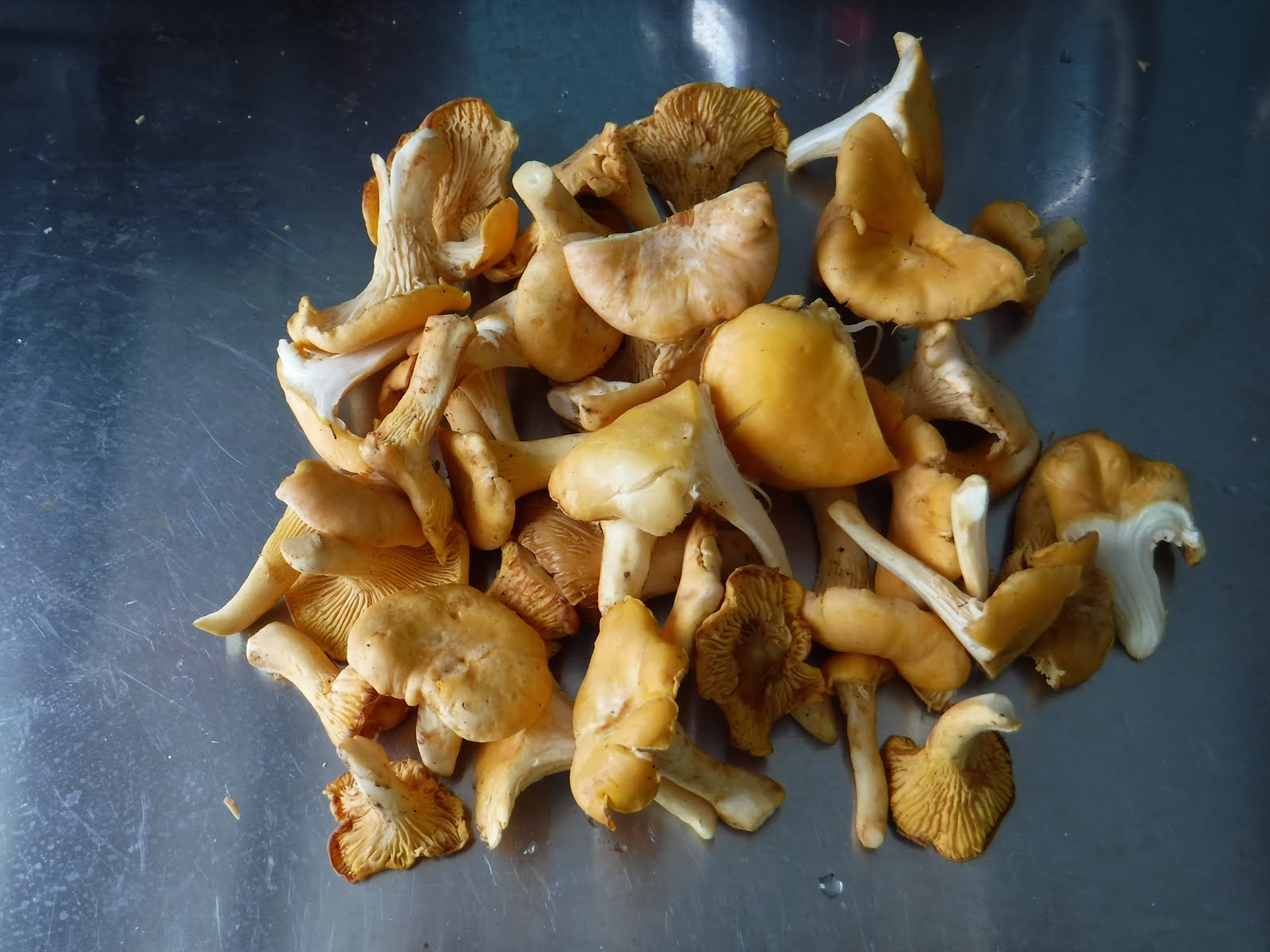
chanterelle


In the Istrian hills, it is easy to find mushroom, at the moment there is fresh chanterelle in the market. Usually there should be a lot of fresh boletus too, but this year has been dry, so only see dried boletus for sale.

chanterelle cooked with garlic, herb and egg

It is possible to find truffle too, most of them sent to France or Italy, now it is more popular to find truffle used locally as there are more tourists more local interest. 


Latufino truffle cow cheese by Latus, Istria, Croatia

This year tasted this truffle cheese, bits and slices of truffle mixed into cow cheese, actually quite a good way to keep, taste and use the flavor, either eat on its own, melted on toast or grated on pasta. 

Latufino truffle cow cheese by Latus, Istria, Croatia

Restaurant Alla Beccaccia, Valbandon, Croatia


Restaurant Alla Beccaccia, Valbandon, Croatia, huge fire place


Restaurant Alla Beccaccia, Valbandon, Croatia, cooking meat and polenta

This is a traditional restaurant in the hill in the Istria Peninsula of Croatia, serving seasonal mountain food, herbs, mushroom and game. 
Restaurant Alla Beccaccia, Valbandon, Croatia, salami

Restaurant Alla Beccaccia, Valbandon, Croatia, Cepe pasta


Restaurant Alla Beccaccia, Valbandon, Croatia, grilled ribs

Restaurant Alla Beccaccia, Valbandon, Croatia, boar stew

I like the big wood burning stove, that warms the room and also used in cooking. All the cured meat and pasta are home made, game hunted by father. Good ingredients and just simply cooked. 


Brijuni Island, Istria, Croatia


Brijuni Island, Istria, Croatia


A short ferry ride from the south west corner of Istria peninsular of Croatia is Brijuni Island, a protected National Park now and was in private ownership for over 150 years.   

Brijuni Island, Istria, Croatia

There are amazing views from the coast with crystal clear water, healthy dense oak forest, really an amazing environment.

Brijuni Island, Istria, Croatia

There is one of the oldest olive tree in Croatia over 2000yrs, large scale Roman ruins, olive oil mills, a few bread ovens, many lime kilns, a number of dinosaur foot prints along the coast.

Brijuni Island, Istria, Croatia, oldest olive tree
Brijuni Island, Istria, Croatia Roman ruin
  

Brijuni Island, Istria, Croatia Roman ruin


Brijuni Island, Istria, Croatia Roman ruin

One of the previous owner, President Tito, used it as a safari park, where zebras, ostriches, peacocks and elephants are residents now. 

Brijuni Island, Istria, Croatia zebra


Brijuni Island, Istria, Croatia zebra


Brijuni Island, Istria, Croatia ostrich